
Every year new technology comes out that rapidly advances our everyday vehicles of choice, adding new technology, improving the existing functions or completely radicalising the design.
Traditional patterns have been exploding as the digital revolution leads to reinventing all the hardware and software architecture on vehicles. It may well be that in a few years’ time, a car will look nothing like it does today.

If you grew up playing science fiction video games or watching science fiction movies, at some point, you probably coveted the futuristic technology that you saw on your screen. And, honestly, who wouldn’t? Maybe you dreamed of owning a flying car that could take you back to the future; or dreamed of racing a spaceship in a galaxy far, far away.
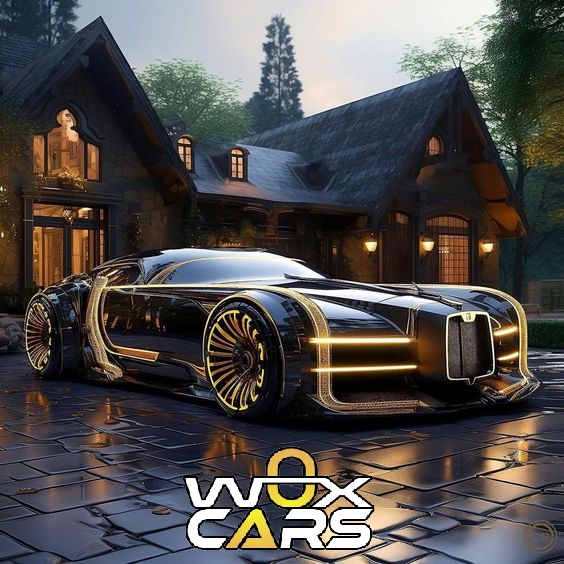
It is the most spectacular revolution. Tomorrow, cars will be able to do without their drivers. “This development will be in stages: we start without feet and then do without hands and eventually without eyes,” says Pascal Brier.
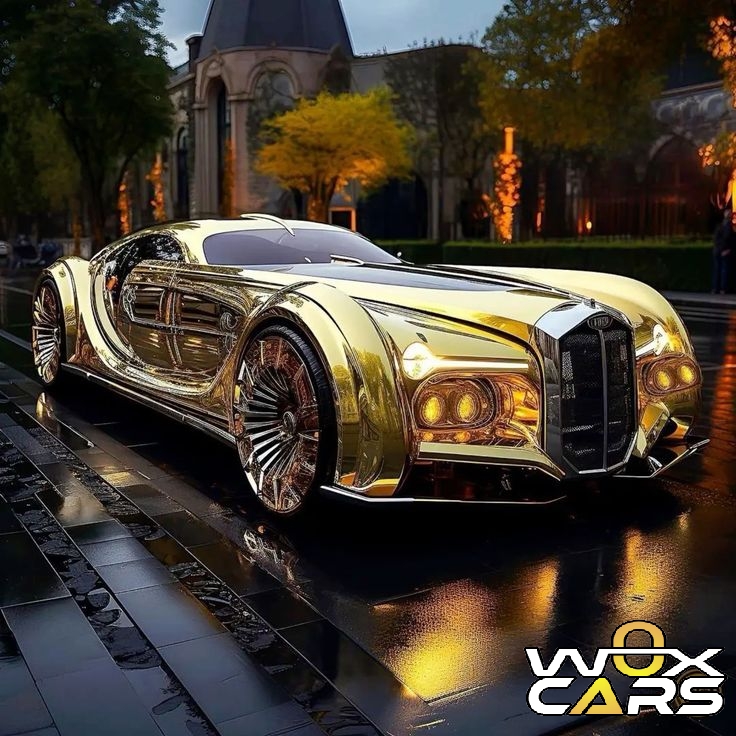

Engineers are working to replace human eyes with a multitude of cameras, sensors and lasers that will reproduce the environment in 3D and allow the vehicle to make navigation decisions alone.

As society advances, so does car design. With that in mind, the automotive industry has undergone a huge transformation over the past decade as car manufacturers are stepping up to the plate to deliver car models for every consumer’s lifestyle.
When it comes to future car design, technology is the biggest driver behind new car models. Major trends show that cars of the future will be electric, autonomous, connected and sleek. In just a few years’ time, vehicles on the road could look nothing like they do today.